Learn how the PARA Method helps you organize your digital life, manage information efficiently, and boost productivity. A complete PARA guide by Skillvator.
Information overload is one of the biggest productivity killers of the modern age. Files scattered across devices, notes buried in apps, bookmarks forgotten, and ideas lost in chaos—this digital clutter silently drains focus, time, and mental energy.
This is exactly the problem the PARA Method was designed to solve.
Created by Tiago Forte, a productivity expert and author of Building a Second Brain, the PARA Method offers a simple, scalable system to organize your digital life so information actually supports your work instead of overwhelming it.
In this in-depth guide by Skillvator, you’ll learn what the PARA Method is, how it works, who it’s best for, and how to implement it step by step.
What Is the PARA Method?
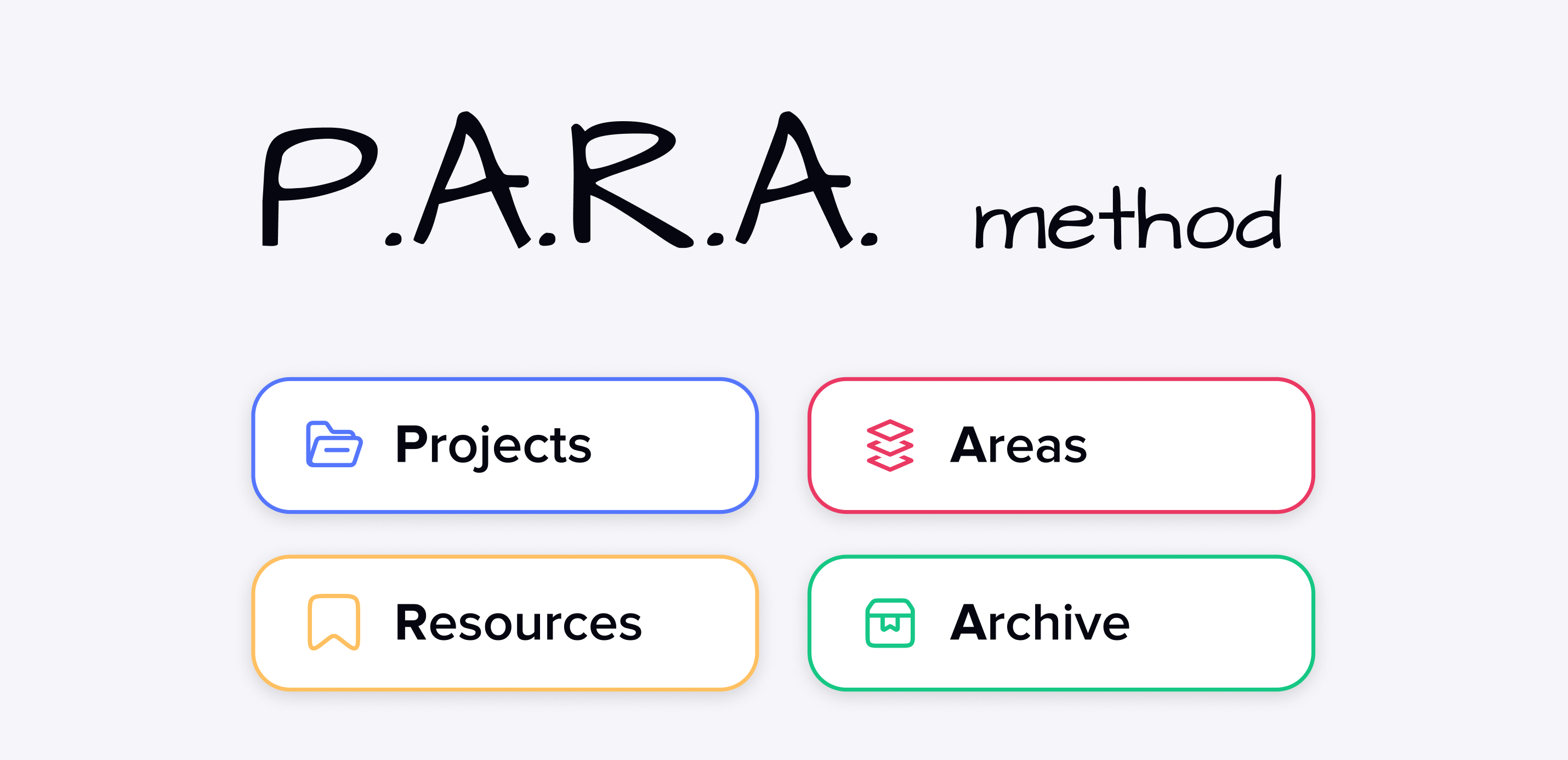
The PARA Method is a digital organization system that categorizes all your information into four clear buckets:
-
Projects
-
Areas
-
Resources
-
Archives
Instead of organizing information by topic or tool, PARA organizes information by actionability and relevance to your life and work.
This makes it one of the most practical frameworks for knowledge workers, creators, and professionals managing large amounts of digital information.
The PARA Method
Best For: Who Should Use the PARA Method?
The PARA Method is ideal for:
-
Knowledge workers and professionals
-
Creators, writers, and designers
-
Entrepreneurs and freelancers
-
Students managing research and notes
-
Anyone overwhelmed by digital clutter
If you struggle with finding files, managing notes, or keeping digital systems clean, PARA is built for you.
Core Idea of PARA: Information Should Serve Action
The core philosophy behind PARA is simple:
Information is only valuable if it supports action.
Traditional folder systems fail because they organize by subject, not usefulness. PARA flips this by organizing information based on what you are actively working on right now.
This makes PARA a productivity-first system, not just a storage method.
The Four Pillars of the PARA Method Explained
Let’s break down each component of the PARA Method in detail.
1. Projects: Short-Term Outcomes You’re Actively Working On
Projects are any outcomes that require multiple steps and have a clear end goal.
Examples:
-
Launching a website
-
Writing a blog post
-
Preparing a presentation
-
Learning a new skill
Only active projects belong here.
Once a project is completed, it moves out of this folder.
2. Areas: Ongoing Responsibilities to Maintain
Areas represent long-term responsibilities that don’t have an end date.
Examples:
-
Career
-
Health
-
Finances
-
Content creation
-
Personal development
These folders help you maintain standards rather than complete tasks.
3. Resources: Useful Information for Future Reference
Resources store information you might need later but aren’t actively using.
Examples:
-
Articles
-
Research notes
-
Tutorials
-
Ideas
-
Book summaries
This keeps reference material accessible without cluttering active work.
4. Archives: Inactive or Completed Items
Archives hold anything that is no longer active but still worth keeping.
Examples:
-
Completed projects
-
Old notes
-
Past goals
-
Outdated resources
This keeps your system clean while preserving information for future reference.
PARA Method Structure Overview
| Category | Purpose | Examples |
|---|---|---|
| Projects | Active outcomes | Blog post, product launch |
| Areas | Ongoing responsibilities | Career, health, finances |
| Resources | Reference material | Articles, research |
| Archives | Inactive items | Completed projects |
Why the PARA Method Works So Well
The PARA Method works because it aligns with how work actually happens.
Key Benefits of PARA
-
Reduces digital clutter
-
Improves information retrieval
-
Supports focus and execution
-
Scales across tools and platforms
-
Works for both personal and professional life
Unlike rigid systems, PARA evolves as your priorities change.
PARA vs Traditional Folder Organization
Traditional systems organize information by topic:
Work → Marketing → Content → Ideas
PARA organizes by usefulness and action:
Projects → Blog Post
Resources → Content Ideas
This shift dramatically improves productivity.
Tools That Work Perfectly With PARA
The PARA Method is tool-agnostic, meaning it works across platforms.
Popular Tools for PARA:
-
Google Drive
The key is consistency—not complexity.
PARA Method and Productivity Frameworks
If you’ve read our guide
👉 10 Productivity Frameworks That Actually Work
you’ll notice PARA complements execution frameworks like:
PARA organizes information, while GTD organizes actions. Together, they form a powerful productivity system.
Common Mistakes When Using PARA
Many people misuse PARA by overthinking it.
Avoid These Errors:
-
Creating too many subfolders
-
Treating Resources like Projects
-
Not archiving completed work
-
Mixing topics instead of actions
PARA works best when kept simple and flexible.
How Skillvator Recommends Using PARA
At Skillvator, we teach PARA as part of a holistic productivity system focused on career growth.
Our approach emphasizes:
-
Action-driven organization
-
Minimal friction
-
Real-world workflows
-
Sustainable productivity
PARA helps ensure your digital life supports your goals, not distracts from them.
Frequently Asked Questions (FAQ)
What does PARA stand for?
PARA stands for Projects, Areas, Resources, and Archives.
Is the PARA Method only for digital notes?
No. PARA works for files, emails, bookmarks, notes, and even physical documents.
Can PARA be used with GTD?
Yes. PARA and GTD work extremely well together—PARA manages information, GTD manages tasks.
How long does it take to set up PARA?
Most people can set up a basic PARA system in 1–3 hours.
Is PARA good for students?
Absolutely. PARA is excellent for managing research, assignments, and learning resources.
Trusted Sources & References
-
Tiago Forte – Building a Second Brain
https://www.buildingasecondbrain.com
Forte Labs – PARA Method Guide
https://fortelabs.com
Harvard Business Review – Information Management
https://hbr.org
Final Thoughts: Why PARA Is a Productivity Game-Changer
The PARA Method doesn’t just organize your files—it organizes your thinking.
By structuring information around action and relevance, PARA helps you:
-
Think clearly
-
Work efficiently
-
Reduce overwhelm
-
Focus on what truly matters
At Skillvator, we believe mastering systems like PARA is essential for modern productivity and career growth.