

Learn how the 2-Minute Rule helps you stop procrastinating instantly, build momentum, and boost productivity. A complete 2-Minute Rule guide by Skillvator.
Procrastination isn’t a time-management problem.
It’s an action-starting problem.
Most people don’t procrastinate because tasks are hard—they procrastinate because starting feels overwhelming. Emails pile up, small tasks get delayed, and suddenly even simple work feels heavy.
This is where one of the simplest and most effective productivity rules ever created comes in:
👉 The 2-Minute Rule
At Skillvator, we consider the 2-Minute Rule a foundational productivity habit—especially for people who struggle with procrastination, mental resistance, or low motivation.
In this in-depth guide, you’ll learn what the 2-Minute Rule is, how it works, why it’s so powerful, and how to use it to take action immediately.

What Is the 2-Minute Rule?
The 2-Minute Rule is a productivity principle popularized by David Allen in his Getting Things Done (GTD) methodology.
The rule is simple:
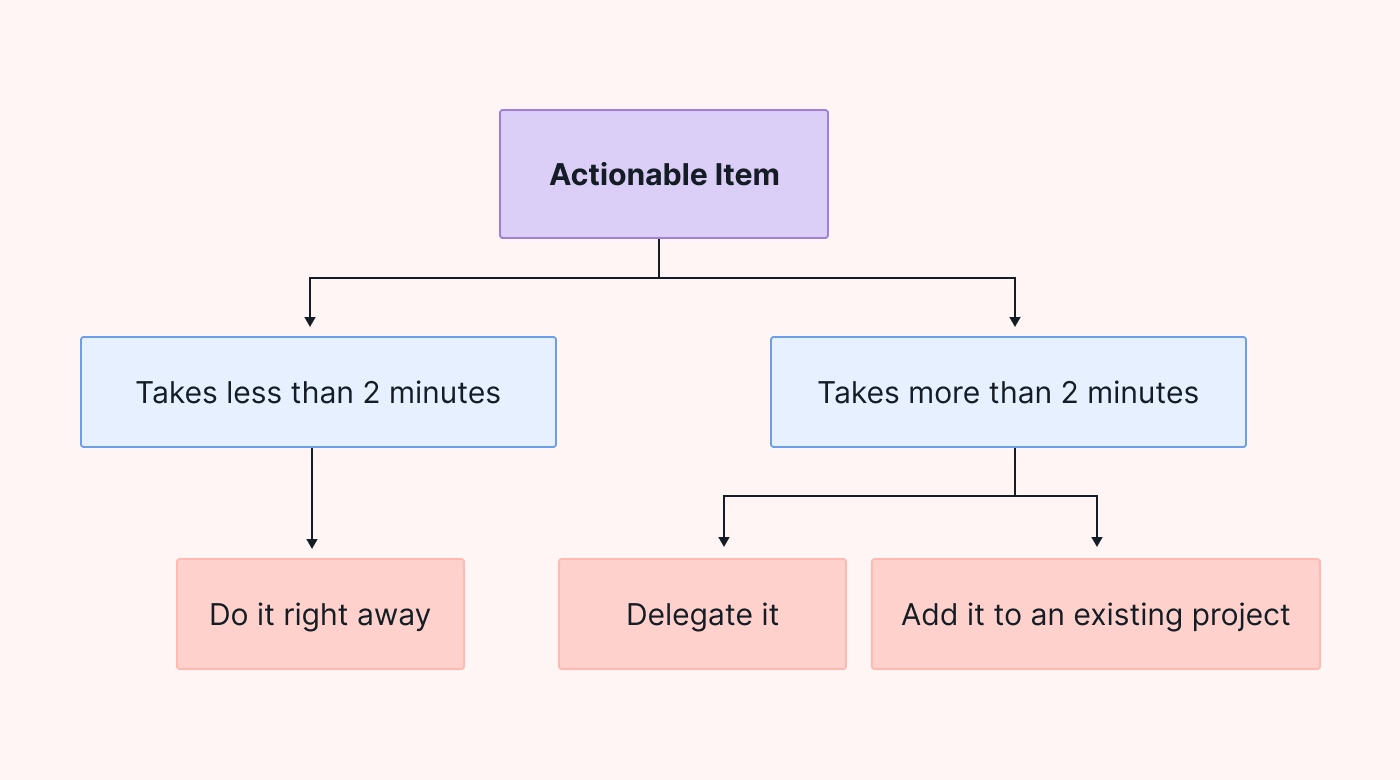
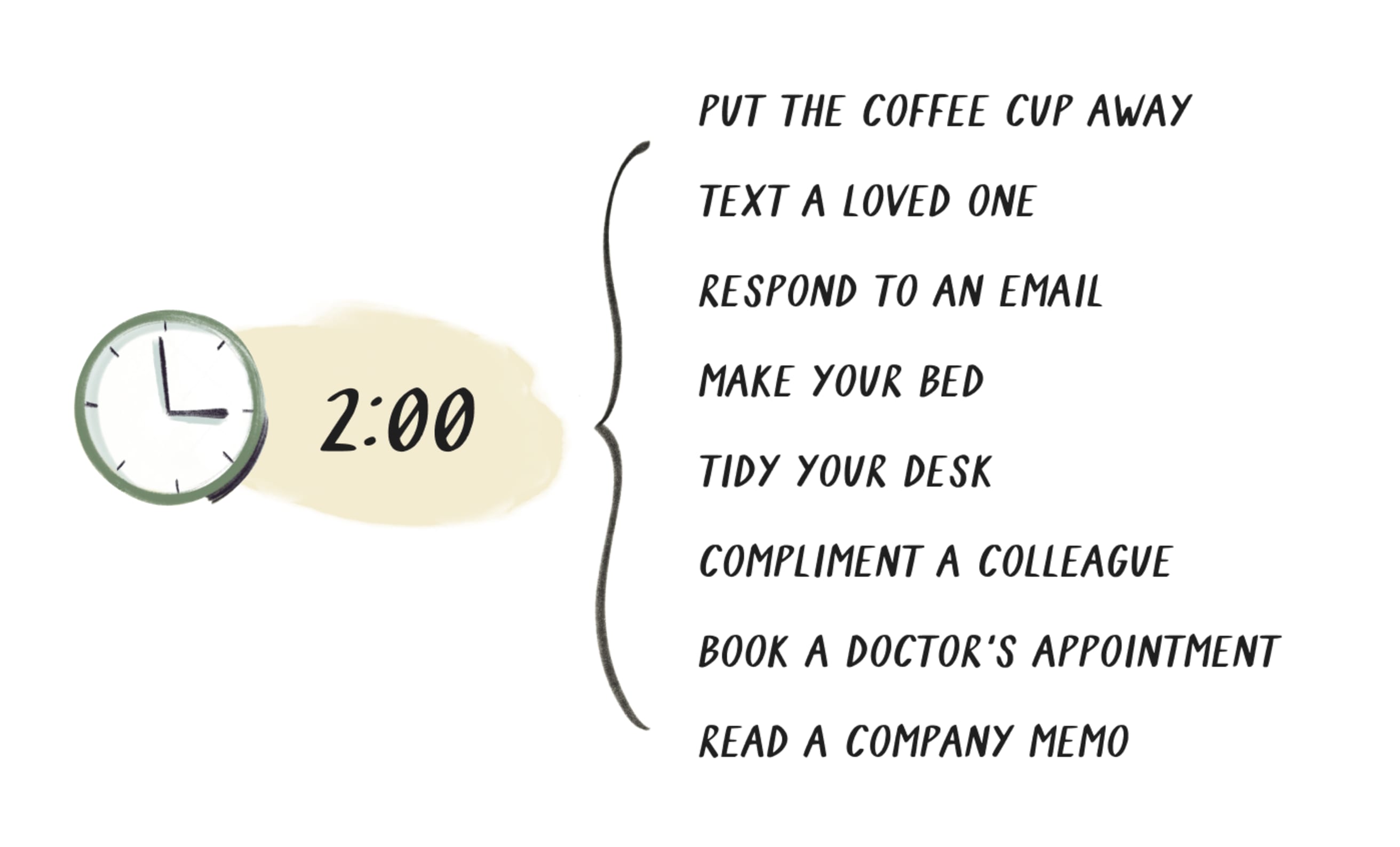
If a task takes less than two minutes, do it immediately.
Instead of writing it down, delaying it, or overthinking it—just do it now.
This tiny rule has a massive impact because it attacks procrastination at its source: avoidance of small actions.
Best For: Who Should Use the 2-Minute Rule?
The 2-Minute Rule is especially effective for:
-
Chronic procrastinators
-
Overthinkers
-
Busy professionals
-
Students and freelancers
-
Anyone overwhelmed by small tasks
If you constantly delay emails, messages, admin work, or “quick tasks,” this rule is built for you.
Core Idea of the 2-Minute Rule: Action Beats Motivation
The philosophy behind the 2-Minute Rule is powerful:
You don’t need motivation to start—you need to start to get motivation.
Waiting to “feel ready” is one of the biggest productivity traps. The 2-Minute Rule flips this by making the starting point so small that resistance disappears.
The Two Versions of the 2-Minute Rule
Interestingly, there are two widely used interpretations of the 2-Minute Rule—and both are valuable.
Version 1: If It Takes Less Than 2 Minutes, Do It Now (GTD Version)
This is the original version from GTD.
Examples:
-
Replying to a quick email
-
Filing a document
-
Scheduling a meeting
-
Sending a short message
These tasks take longer to track and reschedule than to complete.
👉 This version reduces task backlog instantly.
Version 2: Start Any Task for Just 2 Minutes (Behavioral Version)
This version focuses on overcoming procrastination.
Rule:
Commit to working on a task for just two minutes.
Once you start, momentum usually carries you forward.
Examples:
-
Write one sentence
-
Open the document
-
Read one paragraph
-
Organize one file
👉 This version reduces mental resistance.
Why the 2-Minute Rule Actually Works
The effectiveness of the 2-Minute Rule is grounded in psychology and behavior science.
1. It Eliminates Mental Resistance
Big tasks feel heavy. Small actions don’t.
By shrinking the starting point, the brain stops resisting.
2. It Builds Momentum
Action creates momentum. Momentum creates motivation.
Once you start, continuing becomes easier.
3. It Reduces Decision Fatigue
The rule removes decision-making:
-
Do it now
-
Or start for two minutes
No debate. No overthinking.
4. It Creates Consistency
Small actions done consistently outperform rare bursts of motivation.
2-Minute Rule vs Traditional Productivity Advice
Traditional advice often says:
-
“Just be disciplined”
-
“Push through”
-
“Work harder”
The 2-Minute Rule works with human psychology, not against it.
| Traditional Advice | 2-Minute Rule |
|---|---|
| Relies on willpower | Relies on simplicity |
| Overwhelming | Easy to start |
| Inconsistent | Habit-friendly |
| All-or-nothing | Progress-focused |
Practical Examples of the 2-Minute Rule in Daily Life
Work Examples
-
Respond to quick emails immediately
-
Rename and file documents
-
Add tasks to your system
Personal Examples
-
Make your bed
-
Drink a glass of water
-
Stretch
-
Clean a small surface
Learning Examples
-
Read one page
-
Watch 2 minutes of a lesson
-
Write one idea
Small actions compound quickly.
How the 2-Minute Rule Fits Into Productivity Systems
The 2-Minute Rule works best when paired with larger systems.
2-Minute Rule + GTD
, the rule prevents your task system from becoming cluttered.
Small tasks get handled immediately—keeping your system clean and trusted.
2-Minute Rule + Ivy Lee Method
The Ivy Lee Method
defines what matters most.
The 2-Minute Rule helps you start without resistance.
2-Minute Rule + Time Blocking
Use the 2-Minute Rule to start your time blocks, especially when energy is low.
When NOT to Use the 2-Minute Rule
Despite its power, the rule shouldn’t be misused.
Avoid These Mistakes:
-
Letting small tasks interrupt deep work
-
Using it as an excuse to avoid important tasks
-
Constantly reacting instead of prioritizing
For prioritization, pair it with:
👉 OKRs (Objectives & Key Results)
2-Minute Rule Summary Table
| Aspect | Benefit |
|---|---|
| Immediate action | Stops procrastination |
| Low effort | Reduces resistance |
| Fast completion | Clears mental clutter |
| Momentum | Encourages continuation |
| Simplicity | Easy to sustain |
Skillvator Tip: Use the 2-Minute Rule as a Daily Trigger ⚡
Skillvator Tip:
When you feel stuck, don’t ask “How do I finish this?”
Ask “What’s the smallest 2-minute action I can take?”
This question alone can unlock action instantly.
Frequently Asked Questions (FAQ)
What is the 2-Minute Rule in productivity?
The 2-Minute Rule says that if a task takes less than two minutes, do it immediately—or start any task for just two minutes to overcome procrastination.
Does the 2-Minute Rule really stop procrastination?
Yes. It works by lowering the barrier to starting, which is the hardest part of most tasks.
Is the 2-Minute Rule part of GTD?
Yes. The original rule comes from David Allen’s Getting Things Done system.
Can I use the 2-Minute Rule for big goals?
Yes. Use it to start big tasks in small, manageable steps.
Is the 2-Minute Rule enough on its own?
It’s most effective when combined with prioritization and planning systems.
Trusted Sources & References
David Allen – Getting Things Done
Harvard Business Review – Procrastination & Habits
Final Thoughts: Small Actions Change Everything
The 2-Minute Rule proves one powerful truth:
You don’t beat procrastination with force—you beat it with simplicity.
By lowering the barrier to action, this rule helps you:
-
Start faster
-
Think less
-
Build momentum
-
Stay consistent
At Skillvator, we believe mastering simple rules like the 2-Minute Rule is essential for real productivity and sustainable career growth.

This rule sounds simple, but it’s surprisingly powerful. I’ve already cleared so many small tasks because of it.
Great concept! How would you recommend using the 2-minute rule alongside larger, more complex tasks?